

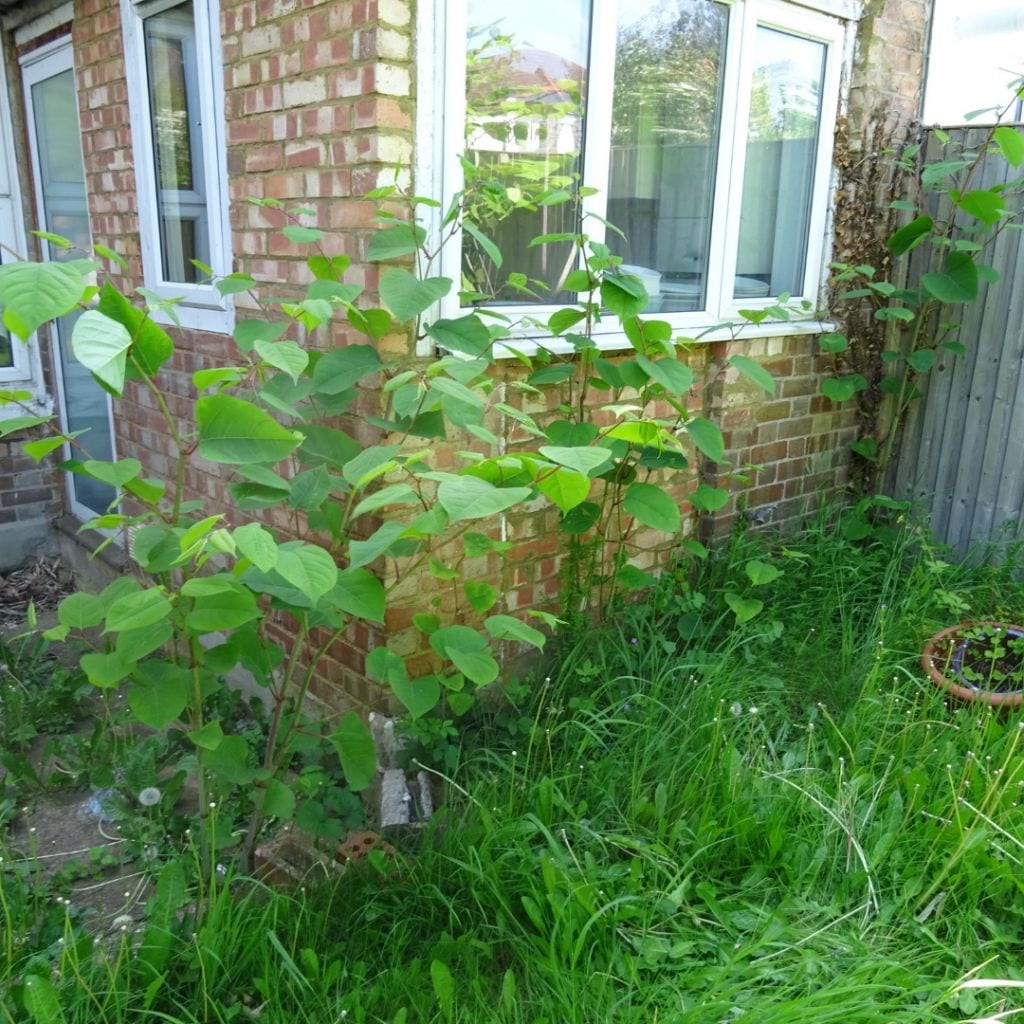
Buying or selling a home is a major financial decision, but Japanese Knotweed can complicate the process significantly. This invasive plant is not just a garden nuisance—it’s a serious concern for mortgage lenders due to its ability to damage property and spread rapidly. Understanding how Japanese Knotweed affects mortgages, and the steps you can take to resolve related issues, is essential for any UK buyer or seller. In this guide, we break down the risks, regulations, and professional solutions offered by CYB Environmental.
What Is Japanese Knotweed and Why Is It a Problem?
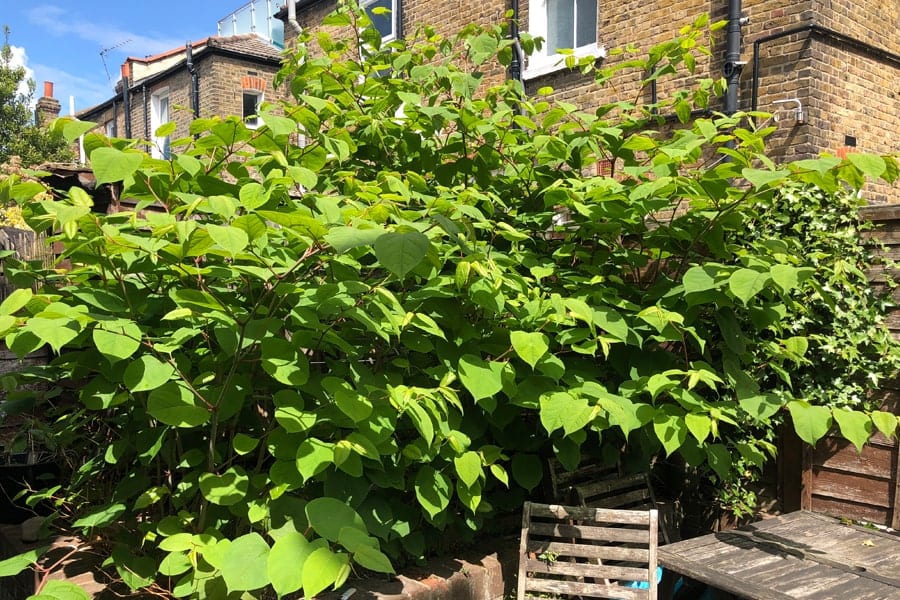
Japanese Knotweed (Fallopia japonica) is a fast-growing, bamboo-like perennial plant that was introduced to the UK in the 19th century. Originally brought for ornamental purposes, it quickly became invasive due to its resilience, rapid growth, and ability to spread through underground rhizomes.
The plant can penetrate walls, driveways, patios, and foundations, often going unnoticed until significant structural damage occurs. Even small fragments of roots left behind during DIY removal can sprout new plants, making professional intervention crucial.
Key Concerns for Mortgage Lenders:
- Structural Damage: Knotweed can exploit cracks in tarmac, concrete, and brickwork, potentially affecting the structural integrity of buildings.
- Rapid Spread: Its rhizome system allows it to travel across property boundaries, creating legal and financial liabilities for neighbours and property owners.
- High Removal Costs: Professional eradication often requires a multi-year treatment plan, monitoring, and insurance-backed guarantees, which can be expensive but necessary for mortgage approval.
Understanding these risks early can save homeowners significant time, money, and stress during property transactions.
How Japanese Knotweed Affects Mortgage Applications
Mortgage lenders in the UK are extremely cautious when Japanese Knotweed is present. They consider it a high-risk issue because of potential structural damage, legal implications, and costly removal.
Potential Mortgage Impacts Include:
- Mortgage Rejection: Lenders may refuse to approve a mortgage until the infestation is assessed and a professional treatment plan is in place.
- Down-Valuation of Property: Surveyors often reduce property value if knotweed is present, affecting your loan-to-value ratio and the amount you can borrow.
- Requirement for a Knotweed Management Plan: Many lenders insist on a detailed, RICS-compliant management plan, often with an insurance-backed guarantee, before proceeding with mortgage approval.
These steps protect lenders from financial risk and ensure that properties affected by knotweed are managed professionally and safely.
The Role of the RICS Risk Categories
The Royal Institution of Chartered Surveyors (RICS) has established four risk categories to help surveyors assess Japanese Knotweed presence:
- Category 1: No knotweed on the property or within 7 metres.
- Category 2: Knotweed on a neighbouring property, within 7 metres.
- Category 3: Knotweed on the property but more than 7 metres from habitable space.
- Category 4: Knotweed within 7 metres of habitable space or boundary.
Mortgage lenders are particularly cautious with Categories 3 and 4, often requiring professional treatment and documentation before approving a mortgage. This ensures that any potential damage or spread is properly addressed.
 Selling a Property with Japanese Knotweed
Sellers are legally required to disclose the presence of Japanese Knotweed on the TA6 property form, and failure to do so can lead to legal complications and delays in the sale. To maintain buyer confidence and ensure a smooth transaction, it’s essential to take proactive steps.
Engaging professionals like CYB Environmental to conduct a thorough site survey allows you to accurately assess the extent of the infestation, identify potential risks, and document findings for transparency.
Implementing a RICS-compliant management plan with a clear treatment timeline, monitoring schedule, and an insurance-backed guarantee reassures both buyers and mortgage lenders. Keeping comprehensive records of all surveys, treatments, and follow-ups further supports a smooth mortgage approval process.
By addressing Japanese Knotweed proactively, sellers can reduce delays, safeguard property value, and demonstrate that the issue is being managed responsibly.
Buying a Property with Japanese Knotweed
Purchasing a property affected by Japanese Knotweed requires careful consideration and professional guidance. Ignoring the issue can lead to unexpected costs and complications with mortgage approval.
Key Steps for Buyers:
- Check the RICS Category: Understanding the severity of knotweed presence helps gauge the necessary level of intervention.
- Request a Management Plan: Ensure the seller provides a professional, RICS-compliant management plan with insurance backing.
- Use a Specialist Mortgage Broker: Some lenders are more accommodating when proper treatment plans and guarantees are in place.
- Consult a Professional: CYB Environmental offers expert assessments, treatment plans, and liaison with mortgage lenders to facilitate smooth property transactions.
With the right guidance, buyers can safely purchase a property with knotweed while mitigating risk and ensuring compliance with lender requirements.
How CYB Environmental Helps Resolve Japanese Knotweed Mortgage Problems
CYB Environmental is a leading specialist in Japanese Knotweed removal, offering tailored solutions to help both buyers and sellers navigate the challenges associated with mortgage approval. Our team begins with comprehensive site surveys, carefully assessing the presence, spread, and potential risks of knotweed on the property. This detailed evaluation provides an accurate understanding of the situation and forms the foundation for an effective treatment plan.
Following the survey, we develop RICS-compliant management plans that outline treatment timelines, ongoing monitoring, and risk mitigation measures. Each plan is backed by a 10-year insurance guarantee, giving lenders, buyers, and sellers confidence that the knotweed will be managed professionally and that the property’s value is protected.
In addition to treatment, CYB Environmental provides ongoing monitoring and aftercare, ensuring that the plant is fully controlled and does not regrow. Our experts also liaise directly with mortgage lenders and surveyors, supplying all necessary documentation and guidance to streamline property transactions and prevent unnecessary delays. With CYB Environmental’s support, homeowners can address Japanese Knotweed efficiently, confidently, and in full compliance with legal and lender requirements.
Don’t Let Knotweed Derail Your Property Plans
While Japanese Knotweed can be a serious obstacle, it does not have to halt your property plans. Professional guidance, detailed management plans, and insurance-backed guarantees allow lenders and buyers to proceed confidently.
With CYB Environmental’s expert team, property owners can tackle knotweed efficiently, protect property value, and ensure compliance with legal and mortgage requirements. Early action is critical to reducing costs, avoiding disputes, and maintaining a smooth sales or purchase process.
FAQs
Can Japanese Knotweed prevent me from getting a mortgage?
Yes, lenders treat knotweed seriously. Approval may be delayed or refused until a professional management plan with an insurance-backed guarantee is in place.
What is a RICS-compliant knotweed management plan?
It’s a professional plan following RICS standards, detailing treatment, monitoring, and risk control to satisfy lenders and prevent regrowth.
How long does Japanese Knotweed treatment take?
Treatment usually takes 3–5 years, depending on infestation size, method used, and ongoing monitoring to ensure full eradication.
Can I manage Japanese Knotweed without professional help?
Small infestations may be temporarily managed DIY, but professional treatment is recommended for legal compliance, mortgage approval, and long-term results.
How does CYB Environmental assist with mortgage-related issues?
CYB Environmental provides surveys, RICS-compliant plans, insurance-backed guarantees, and liaises with lenders to smooth property transactions.