
Japanese Knotweed is one of the most aggressive invasive plants in the UK, capable of spreading quickly and causing serious problems for property owners. If left untreated, the plant can damage paving, walls, and drainage systems while also creating difficulties when selling or refinancing property.
Recognising the plant early is the first step toward effective Japanese Knotweed removal. Because the appearance of Japanese Knotweed changes throughout the year, it is important to understand how it looks in each season.
At CYB Environmental, specialists in Japanese Knotweed removal, we regularly help homeowners, landlords, and property developers identify and manage infestations before they become extensive. In this guide, we explain how to spot Japanese Knotweed in spring, summer, autumn, and winter so you can take action quickly.
If you suspect Japanese Knotweed on your property, it is always recommended to seek professional advice rather than attempting removal yourself. Professional treatment plans can prevent the plant from spreading further and help avoid mortgage or legal complications.
For expert help, visit our Japanese Knotweed Removal page on CYB Environmental to arrange a professional survey.
How to Identify Japanese Knotweed in Every Season
Identifying Japanese Knotweed in Spring
Spring is when Japanese Knotweed begins its rapid growth cycle. The first shoots emerge from the ground, often growing extremely quickly compared to other garden plants.
These early shoots typically have a distinct red or purple tint and resemble thick asparagus-like stems. As temperatures increase, the shoots grow rapidly and may reach up to three metres tall by late spring.
During the early stages, the leaves appear tightly curled and may also display reddish colouring. As spring progresses toward summer, the leaves gradually open up and become a lighter green colour.
Spring is often the best time to identify Japanese Knotweed early, allowing property owners to begin treatment before the plant fully matures.
Spring identification checklist
- Shoots with a red or purple tinge
- Fast-growing stems emerging from the ground
- Leaves that are tightly curled in early growth
- Rapid height increase in a short period of time
If you notice these signs, it is advisable to book a professional site survey to confirm whether the plant is Japanese Knotweed.
Identifying Japanese Knotweed in Summer
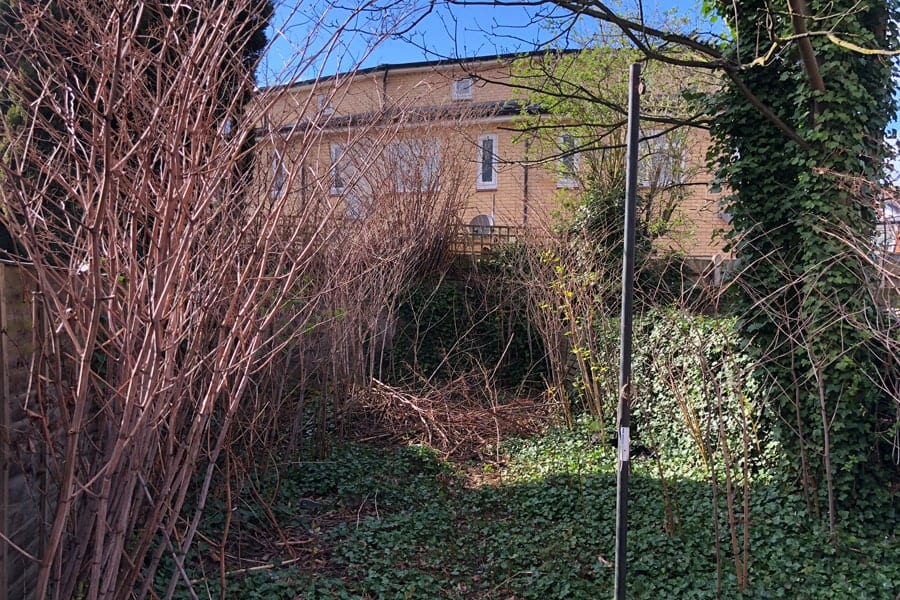
By summer, Japanese Knotweed has typically reached its full growth stage. The stems become taller and hollow, resembling bamboo-like canes rather than the asparagus-like shoots seen in spring.
The leaves become large, flat, and heart-shaped with a pointed tip. They grow in a distinctive zig-zag pattern along the stems, which is one of the easiest ways to identify the plant.
During mid-to-late summer, clusters of small creamy-white flowers often appear. These flowers hang from the plant in delicate sprays and are a clear indicator that the plant has reached maturity.
Because the plant is highly visible in summer, this season often reveals infestations that may have gone unnoticed earlier in the year.
Summer identification checklist
- Hollow stems resembling bamboo canes
- Large green heart-shaped leaves
- Zig-zag leaf pattern along the stem
- Clusters of creamy-white flowers
At this stage, professional Japanese Knotweed removal services are essential to control the infestation and prevent further spread.
Identifying Japanese Knotweed in Autumn
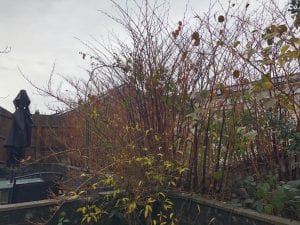
At the start of autumn, Japanese Knotweed still closely resembles its summer appearance. The plant typically remains between two and three metres tall, with green leaves and clusters of white flowers still visible.
However, as temperatures begin to drop, the plant starts to enter dormancy. The leaves gradually change colour, turning yellow before eventually becoming brown.
The bamboo-like stems also begin to darken, turning a deep brown shade as the season progresses.
Although the plant appears to be dying back, the underground rhizome network remains active beneath the soil. This is why treatment can still be effective during autumn.
Autumn identification checklist
- Yellowing heart-shaped leaves
- Darkening bamboo-like canes
- Plants roughly two to three metres tall
- Leaves beginning to wilt
Even when the plant appears weaker above ground, its underground rhizomes may still be spreading, which can worsen infestations if not professionally treated.
Identifying Japanese Knotweed in Winter
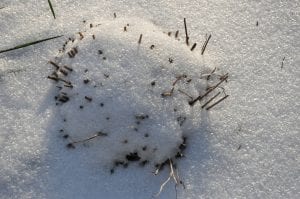
Winter is the most difficult season to identify Japanese Knotweed, as the plant becomes dormant. However, there are still several signs that can indicate its presence.
After the first frost, the leaves usually turn brown and fall away completely. The hollow canes left behind become dry, brittle, and fragile, often snapping or collapsing onto each other.
These dead canes may remain standing or scattered on the ground for years because they decompose very slowly.
Although the plant appears inactive above ground, the rhizomes beneath the soil remain alive and ready to produce new shoots once spring arrives.
Winter identification checklist
- Brown or fallen leaves
- Brittle, hollow stems
- Collapsed canes lying on the ground
- Old stems that take years to decompose
Because Japanese Knotweed re-grows quickly in spring, winter can be a good time to schedule a professional survey and management plan before the next growth cycle begins.
Why Professional Japanese Knotweed Removal Is Important
Attempting to remove Japanese Knotweed without professional guidance can often make the problem worse. Even tiny fragments of the plant’s underground rhizome system can regenerate into new plants.
Improper handling can also spread contaminated soil, causing infestations to appear in new areas.
Professional Japanese Knotweed removal specialists provide:
- Accurate plant identification
- Site surveys and risk assessments
- Long-term treatment plans
- Environmentally responsible disposal
- Documentation for property sales and mortgages
CYB Environmental offers expert support for homeowners and developers dealing with invasive plant issues.
Wrapping Up
Japanese Knotweed can look very different depending on the season, which makes early identification challenging for many property owners. From red shoots in spring to bamboo-like canes in summer and brittle stems in winter, recognising the warning signs is essential.
If you believe Japanese Knotweed may be growing on your property, it is important not to attempt removal yourself. Professional Japanese Knotweed removal services ensure the infestation is properly controlled and treated before it causes further damage or property complications.
Contact CYB Environmental today to arrange a survey and learn more about our expert Japanese Knotweed removal solutions.
Frequently Asked Questions
1. How can I identify Japanese Knotweed in my garden?
Japanese Knotweed can be identified by its red spring shoots, hollow bamboo-like stems, and large heart-shaped leaves arranged in a zig-zag pattern. In late summer, clusters of small white flowers appear. If you notice these signs, it is best to contact professionals for confirmation and advice.
2. What does Japanese Knotweed look like in winter?
During winter, Japanese Knotweed becomes dormant and loses its leaves. The remaining stems become brown, dry, and brittle. These hollow canes often collapse and remain on the ground for long periods because they decompose very slowly, making winter identification more difficult.
3. Why is Japanese Knotweed dangerous for properties?
Japanese Knotweed spreads rapidly through underground rhizomes that can extend several metres. These rhizomes can damage paving, walls, and drainage systems. The presence of Japanese Knotweed can also affect property values and cause mortgage lenders to require treatment plans before approving loans.
4. Can I remove Japanese Knotweed myself?
Removing Japanese Knotweed yourself is not recommended because small fragments of the plant can regrow and spread. Incorrect disposal may also breach environmental regulations. Professional removal specialists provide approved treatment plans that ensure the plant is managed safely and effectively.
5. When is the best time to treat Japanese Knotweed?
Japanese Knotweed can be treated throughout the year, but late summer and autumn are often the most effective periods. During this time, the plant transfers nutrients to its rhizomes, allowing treatment products to reach the underground root system and deliver stronger long-term control.
6. How quickly does Japanese Knotweed grow?
Japanese Knotweed grows extremely quickly, particularly during spring and summer. Under ideal conditions, the plant can grow up to 20cm per day. Its underground rhizomes can spread several metres, allowing infestations to expand rapidly if not managed professionally.
7. Will Japanese Knotweed return after treatment?
Without proper management, Japanese Knotweed can return because of its extensive underground rhizome system. Professional treatment plans usually include multiple applications and monitoring. Many specialist companies also provide long-term guarantees to ensure the infestation is fully controlled and does not return.