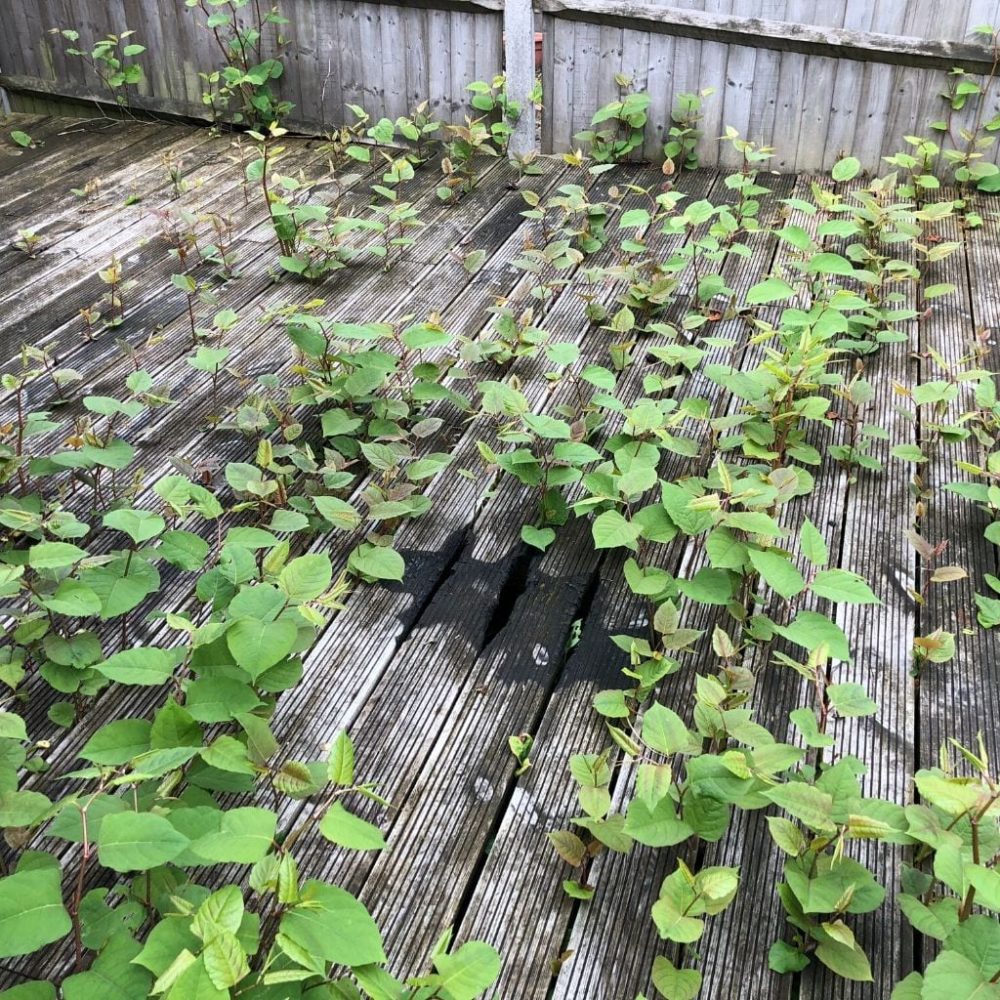
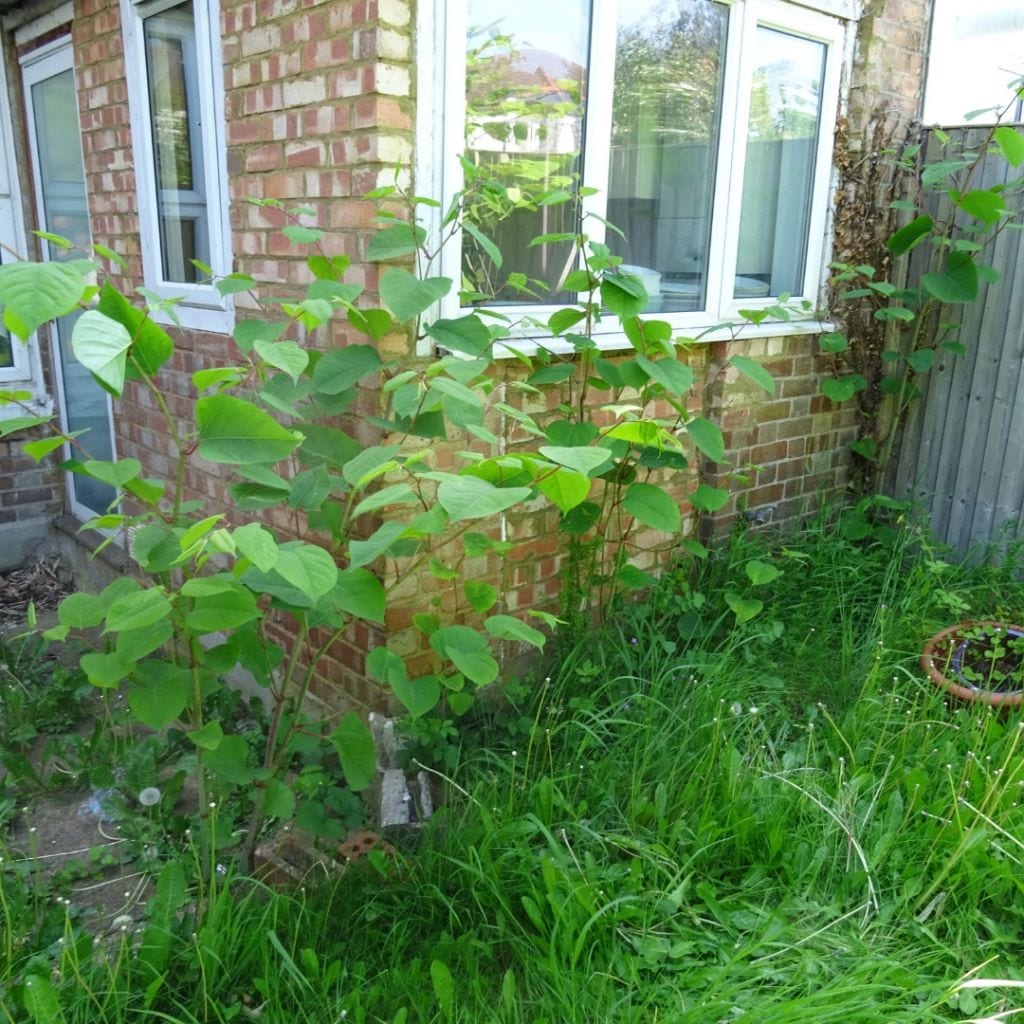
If you’re dealing with Japanese Knotweed on your property, securing a mortgage or selling your home can become unexpectedly complex. Many UK lenders now require an insurance-backed guarantee (IBG) as part of any professional treatment plan, especially when Knotweed is located near structures or boundaries.
In this guide, we explain what insurance-backed Japanese Knotweed guarantees are, why they’re crucial for mortgage compliance, and how CYB Environmental ensures your property is fully protected.
What Is an Insurance-Backed Guarantee (IBG) for Japanese Knotweed?
An Insurance-Backed Guarantee (IBG) provides long-term reassurance and financial protection by covering the costs of re-treatment if Japanese Knotweed reappears, even if the original contractor is no longer trading.
At CYB Environmental, our IBGs are underwritten by fully regulated insurers and are designed to give homeowners complete confidence. They form an essential part of our professional service and are recognised by most UK mortgage lenders.
These guarantees:
- Meet the legal and lender requirements of most UK mortgage providers.
- Typically remain valid for 5 to 10 years, depending on the property and treatment type.
- Are issued alongside a tailored, expert treatment plan designed for the specific property.
- Are fully transferable, meaning they pass seamlessly to future property buyers.
With over a decade of experience in Japanese Knotweed management, CYB Environmental combines technical expertise, regulatory compliance, and professional integrity to ensure your property is protected today and in the future.
Why Lenders Require a Knotweed Guarantee?
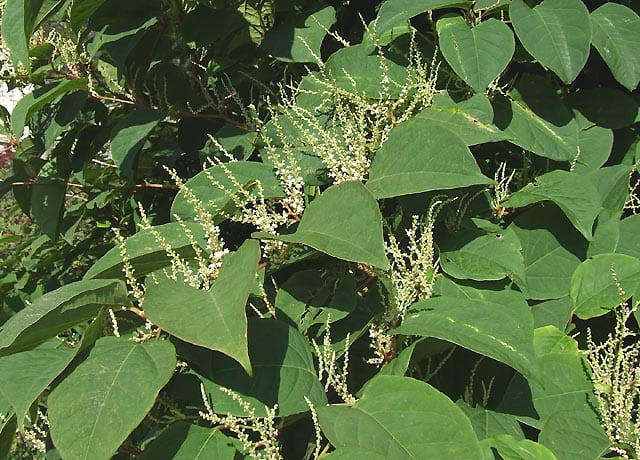
Japanese Knotweed poses a significant risk to property structures, land value, and the ability to sell or refinance a property. Mortgage lenders are therefore highly cautious when it is present and usually require:
- A professional management plan carried out by a PCA-accredited specialist, ensuring the treatment is effective and compliant.
- A written guarantee covering the treatment, which demonstrates that the work has been completed professionally.
- A valid insurance-backed guarantee (IBG), protecting against future regrowth and potential financial liability.
Without a compliant IBG, mortgage approvals may be delayed, lenders may reduce the amount they are willing to lend, or the mortgage may even be refused entirely. By securing an IBG, property owners can confidently meet lender requirements and avoid unnecessary delays.
What Should Be Included in a Japanese Knotweed Guarantee?
Not all guarantees provide the same level of protection. A lender-compliant insurance-backed guarantee should clearly include:
| Feature |
What to Look For |
| ✅ Duration |
5–10 years coverage |
| ✅ Coverage |
Future regrowth (not just past work) |
| ✅ Transferability |
Should pass to future buyers |
| ✅ Provider credentials |
PCA-accredited contractors only |
|
|
CYB Environmental ensures all guarantees meet these high standards, with every plan tailored to the property type, lender expectations, and level of infestation. This ensures full compliance and maximises protection for homeowners and buyers alike.
 Real-Life Example: Guarantee in Action
Case Study: London Terrace Property
A homeowner in North London discovered Japanese Knotweed growing within 3 metres of their rear extension. CYB Environmental provided a comprehensive solution:
- Conducted a full site survey to accurately assess the extent of infestation and associated risks.
- Created a 3-year herbicide treatment plan designed for maximum effectiveness.
- Issued a 10-year insurance-backed guarantee, fully compliant with UK mortgage requirements.
- Supplied documentation to Halifax mortgage lenders, ensuring the sale could proceed without delay.
Thanks to the IBG, the buyer received full protection against future regrowth, the sale went ahead smoothly, and the homeowner had peace of mind knowing the property was professionally managed.
Common Misconceptions
“Is a written contractor’s guarantee enough?”
No. Most lenders require a formal IBG that remains valid even if the contractor ceases trading. Written guarantees without insurance coverage are typically not accepted.
“What if Knotweed comes back after the guarantee ends?”
Coverage stops once the IBG expires, but properly executed treatment and ongoing monitoring significantly reduce the risk of recurrence.
“Can I get an IBG without a treatment plan?”
No. Insurance-backed guarantees are only issued when professional treatment is carried out by qualified contractors like CYB Environmental.
Understanding these nuances ensures property owners take the correct steps to meet lender requirements and secure long-term protection.
CYB Environmental’s Guarantee Process
CYB Environmental provides a clear, step-by-step approach to guarantee compliance and effective knotweed management:
- Comprehensive site survey and assessment – Identify the full extent of knotweed and assess risk to structures.
- Tailored treatment plan – Typically herbicide-based and customised for the property, designed for effectiveness and lender compliance.
- Certificate of treatment issued – Professional documentation of all work carried out.
- 5–10 year insurance-backed guarantee provided – Protecting against future regrowth and satisfying mortgage lender requirements.
- Ongoing monitoring and reporting – Ensuring knotweed is fully managed and eradicated over time.
This structured process gives homeowners, buyers, and lenders confidence that the property is professionally treated, compliant, and protected from financial and structural risks.
Conclusion: Protect Your Property and Your Investment
An insurance-backed Japanese Knotweed guarantee is often essential for mortgage compliance in the UK. It goes beyond simple eradication—it provides long-term reassurance for lenders, buyers, and property owners, ensuring the property retains value and meets all regulatory standards.
Whether selling, buying, or treating a property, CYB Environmental can guide you from initial survey to a fully compliant guarantee, offering expert support, professional treatment, and insurance protection. With CYB Environmental, property owners can manage Japanese Knotweed confidently, protect their investment, and meet lender requirements with peace of mind.
? Get Expert Help Today
Contact CYB Environmental to arrange a survey or request a compliant treatment and guarantee package for your property.
FAQs
What is the difference between a regular contractor guarantee and an insurance-backed guarantee (IBG)?
A regular contractor guarantee only covers work while the contractor is trading, leaving homeowners exposed if the contractor ceases operations. An IBG is underwritten by a regulated insurer, ensuring that future re-treatment costs are covered even if the original contractor no longer exists, providing long-term peace of mind for property owners and mortgage lenders.
How does an IBG affect mortgage approvals in the UK?
Most UK lenders view Japanese Knotweed as a significant risk. Having a valid IBG demonstrates that the infestation is professionally managed, complies with RICS standards, and is monitored over time, which can accelerate mortgage approval, prevent down-valuation of the property, and reduce the risk of loan refusal.
Are insurance-backed guarantees transferable to a new property owner?
Yes, one of the key benefits of an IBG is transferability. If you sell your property, the guarantee can pass to the new owner, ensuring continued protection against knotweed regrowth and maintaining the property’s value and lender compliance.
How long do IBGs typically last, and what happens after they expire?
Most insurance-backed guarantees last between 5 to 10 years, depending on the property and treatment plan. After expiry, future re-growth is no longer covered. However, proper professional treatment combined with ongoing monitoring significantly reduces the likelihood of recurrence, even beyond the IBG period.
Can I get an IBG without a professional treatment plan?
No. Insurance-backed guarantees are only issued when a qualified contractor performs a professional treatment plan. The plan ensures the treatment is effective, meets lender requirements, and includes ongoing monitoring, making the IBG valid and credible in the eyes of mortgage providers.