

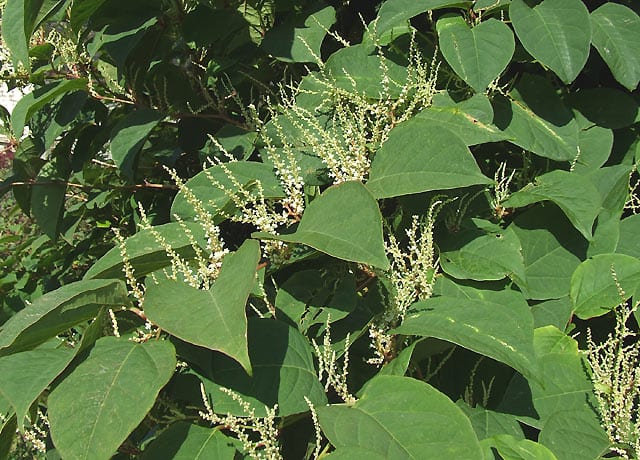
Discovering Japanese Knotweed on your property can raise concerns about treatment, future development, neighbouring land and even a property sale or mortgage. A Japanese Knotweed management plan provides a clear, site-specific strategy for controlling the infestation and preventing further spread.
Rather than simply treating the visible growth, an effective management plan considers the extent of the infestation, the underground rhizome system, site conditions, future land use, appropriate treatment methods and ongoing monitoring.
At CYB Environmental, our specialists develop site-specific management plans as part of our professional Japanese Knotweed removal services.
What Is a Japanese Knotweed Management Plan?
A Japanese Knotweed management plan is a documented strategy explaining how an identified infestation will be controlled, treated and monitored.
Because Japanese Knotweed can regenerate from underground rhizomes and plant fragments, simply cutting down the visible stems does not solve the underlying problem. The management plan therefore looks beyond what can be seen above ground and establishes a structured approach appropriate to the individual property.
A professional plan will typically record:
- The location and extent of the Japanese Knotweed
- Site survey findings and identification
- Areas affected by or at risk from the infestation
- The proposed treatment or removal method
- Measures to prevent accidental spread
- Treatment and monitoring timescales
- Site-specific environmental considerations
- Records of treatment and progress
- Follow-up inspections
- Any guarantee or supporting documentation provided
The appropriate strategy will depend on the individual site rather than following a one-size-fits-all approach.
Step 1: Confirm That the Plant Is Japanese Knotweed
Correct identification should come before any treatment.
Japanese Knotweed changes significantly throughout the year. Depending on the season, signs can include red or purple shoots in spring, hollow bamboo-like stems, shield-shaped leaves and clusters of creamy-white flowers later in the growing season.
During winter, the above-ground growth dies back, but this does not mean the infestation has disappeared. The underground rhizome system can remain viable.
If you suspect an infestation but are unsure of the species, professional identification can prevent inappropriate or unnecessary treatment.
Step 2: Carry Out a Detailed Site Survey
Once Japanese Knotweed has been identified, the infestation needs to be properly assessed.
A professional survey helps establish the extent and location of visible growth while considering site conditions and potential pathways through which the plant may have spread.
The assessment should consider factors such as:
- Size and location of the infestation
- Proximity to buildings and boundaries
- Surrounding gardens or neighbouring land
- Planned construction or landscaping
- Site access
- Environmental constraints
- Evidence of previous disturbance or treatment
The intended use of the land is particularly important. A residential garden with no immediate development plans may require a very different strategy from a construction site that needs to be cleared within a defined programme.
Step 3: Assess the Risks
The next stage of a Japanese Knotweed management plan is assessing the risks associated with the infestation.
For example, moving contaminated soil during excavation or landscaping can spread rhizome fragments into previously unaffected areas. An infestation close to a boundary may also need to be managed differently from one isolated within a larger site.
Property transactions introduce additional considerations. Where Japanese Knotweed affects a house being sold or mortgaged, buyers and lenders may require evidence that the infestation has been professionally assessed and that an appropriate treatment programme is in place.
A thorough risk assessment allows these factors to influence the treatment strategy from the beginning.
Step 4: Choose the Appropriate Japanese Knotweed Treatment
There is no single removal method that is right for every infestation. CYB Environmental provides several Japanese Knotweed removal solutions depending on the site’s circumstances.
Herbicide Treatment
Systemic herbicide treatment can provide a cost-effective solution where immediate excavation is unnecessary.
Treatment is carried out over a planned period so that herbicide can target the plant and its rhizome system. Multiple applications and subsequent monitoring are normally necessary rather than relying on a single treatment.
This approach is often appropriate where minimising ground disturbance is important and there is sufficient time for a longer-term treatment programme.
Excavation and Disposal
Where a site needs rapid clearance—for example, before construction or major landscaping—excavation may be more appropriate.
The affected soil and rhizome material must be carefully identified, excavated and managed to prevent fragments being spread around the site. Where material is removed from the property, disposal must follow the applicable requirements for Japanese Knotweed-contaminated waste.
Root Barriers
Specialist root barriers can be incorporated into certain management strategies to restrict underground spread.
They can be particularly useful where an infestation is close to a boundary or where the site layout makes complete excavation impractical.
On-Site Solutions
Depending on the site, appropriately designed on-site burial or relocation solutions may also be considered. These require careful professional planning and containment.
For more information about these options, see our complete guide to Japanese Knotweed removal and treatment.
Step 5: Establish the Treatment Timeline
A good Japanese Knotweed management plan should clearly state what will happen and when.
Timescales vary according to the chosen treatment.
Herbicide programmes generally require treatment over multiple growing seasons, whereas excavation can provide much faster physical clearance when development deadlines make a longer programme unsuitable.
The plan should therefore account for:
- Treatment dates
- Seasonal considerations
- Follow-up visits
- Monitoring periods
- Construction or landscaping deadlines
- Any actions required if regrowth occurs
Setting these expectations from the beginning is particularly important for homeowners, buyers, sellers and developers who need to coordinate Knotweed management with other plans for the property.
Step 6: Prevent Japanese Knotweed From Spreading
Preventing further spread should be a central part of the management plan.
Japanese Knotweed can be spread by disturbing and moving contaminated plant material or soil. Activities such as digging, landscaping and construction therefore need careful management.
If Knotweed is present, avoid casually excavating the affected area, moving potentially contaminated soil around the property or disposing of cut material with ordinary garden waste.
Professional management helps ensure that treatment, excavation and waste handling are undertaken using appropriate procedures.
Step 7: Monitor and Document the Treatment
Japanese Knotweed management does not end after the first treatment.
Follow-up monitoring is important because new growth may indicate that viable rhizomes remain. Treatment records also provide evidence of the work undertaken and can be particularly valuable when a property is being sold, refinanced or developed.
A professional management programme should therefore maintain clear records of inspections, treatments and progress throughout the process.
Why Use a Professional Japanese Knotweed Management Plan?
Trying to manage Japanese Knotweed without understanding its growth characteristics can inadvertently make an infestation harder to control.
Professional management provides a structured approach based on the condition of the individual site. It also gives homeowners and other stakeholders documented evidence of how the infestation is being addressed.
CYB Environmental provides site-specific Japanese Knotweed management and removal solutions, including professional treatment programmes and an insurance-backed guarantee.
Our Japanese Knotweed services include options such as:
- Site assessment and identification
- Site-specific management planning
- Herbicide treatment programmes
- Excavation and removal
- Root barrier solutions
- On-site containment options
- Monitoring and treatment records
- Insurance-backed guarantees
This allows the management strategy to reflect the infestation, property and client’s objectives rather than relying on a generic treatment programme.
Japanese Knotweed Management Plans for Property Sales and Mortgages
Japanese Knotweed can become particularly important when buying, selling or refinancing property.
Where an infestation has been identified, lenders, buyers and conveyancing professionals may want clear information about its location, treatment and ongoing management.
Having a professional Japanese Knotweed management plan can demonstrate that the problem has been properly assessed and that a structured treatment programme is underway.
If Japanese Knotweed is affecting your property transaction, seeking specialist advice early can help prevent avoidable delays.
Frequently Asked Questions
What should a Japanese Knotweed management plan include?
A management plan should document the infestation, survey findings, proposed treatment method, measures to prevent spread, treatment timescale, monitoring programme and relevant treatment records.
How long does a Japanese Knotweed management plan last?
It depends on the treatment method and site. Herbicide treatment can require multiple growing seasons, while excavation may provide considerably faster clearance. Monitoring may continue after the main treatment work.
Can I create my own Japanese Knotweed management plan?
A homeowner can record an infestation and intended actions, but professional management is strongly recommended where treatment, excavation, property transactions or development are involved. Specialist assessment also reduces the risk of accidentally spreading the plant.
Does Japanese Knotweed need to be excavated?
Not necessarily. Excavation is one treatment option, particularly where rapid clearance is required. Herbicide treatment, root barriers and other site-specific approaches may be more suitable in different circumstances.
Will Japanese Knotweed grow back after treatment?
Regrowth can occur if viable rhizome material remains, which is why monitoring and follow-up treatment are important parts of a professional management programme.
Do I need a management plan when selling my property?
Requirements depend on the circumstances of the property and those involved in the transaction. Where Japanese Knotweed is present, professional documentation and evidence of an appropriate treatment programme can help address concerns raised by buyers or lenders.
Get a Professional Japanese Knotweed Management Plan
If you have discovered or suspect Japanese Knotweed on your property, the first step is to understand the extent of the infestation and determine the most appropriate treatment strategy.
CYB Environmental provides professional Japanese Knotweed removal and management plans tailored to residential, commercial and development sites.
From identification and site assessment through to herbicide treatment, excavation, monitoring and insurance-backed guarantees, our specialists can develop a solution appropriate to your property.
Learn more about our Japanese Knotweed removal services or contact CYB Environmental to discuss your property with our team.