
Invasive plants can cause serious concerns for property owners, and few are as well known as japanese knotweed. This aggressive plant spreads rapidly and can create structural, legal, and financial issues if left untreated. Understanding the signs of japanese knotweed damage is essential for homeowners and property buyers who want to protect their investment.
Early detection plays a critical role in managing invasive plants. By recognising japanese knotweed identification signs, property owners can take action before the plant spreads further or begins affecting nearby structures and landscapes.
If you suspect knotweed on your property, professional assessment is the safest approach. CYB Environmental provides expert inspections and surveys to confirm the presence of invasive species.
Early Signs of Japanese Knotweed Damage Around Your Property
Recognising the signs of japanese knotweed damage early can prevent costly problems later. While the plant does not usually break through solid structures, it can exploit weaknesses in buildings, gardens, and infrastructure.
Below are some of the most common japanese knotweed identification signs homeowners should watch for.
Rapid Plant Growth in Spring
One of the earliest indicators of knotweed is its rapid growth during spring. The plant emerges as reddish or purple shoots that resemble asparagus. These shoots grow quickly and can reach several metres in height within a single growing season.
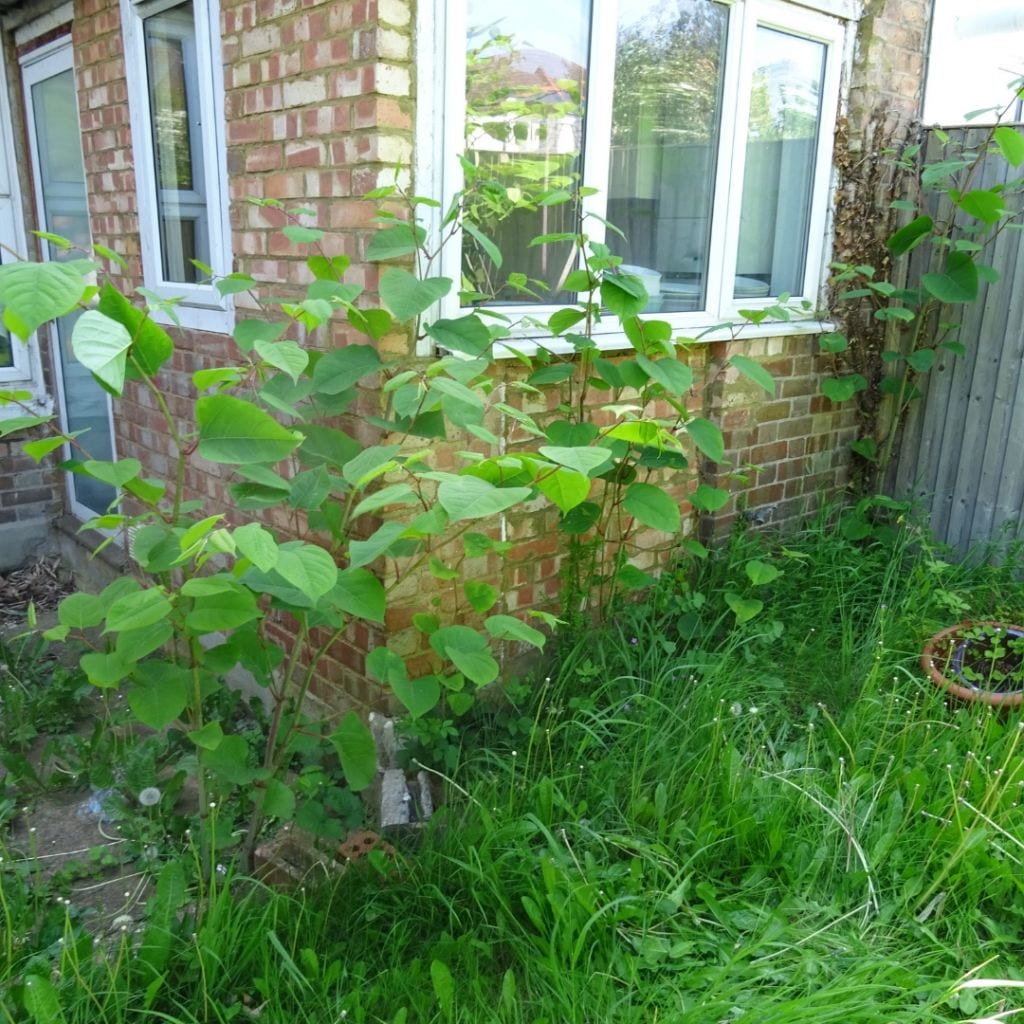
If this growth appears near walls, driveways, or garden structures, it may indicate potential japanese knotweed damage developing in the area.
Distinctive Leaves and Stems
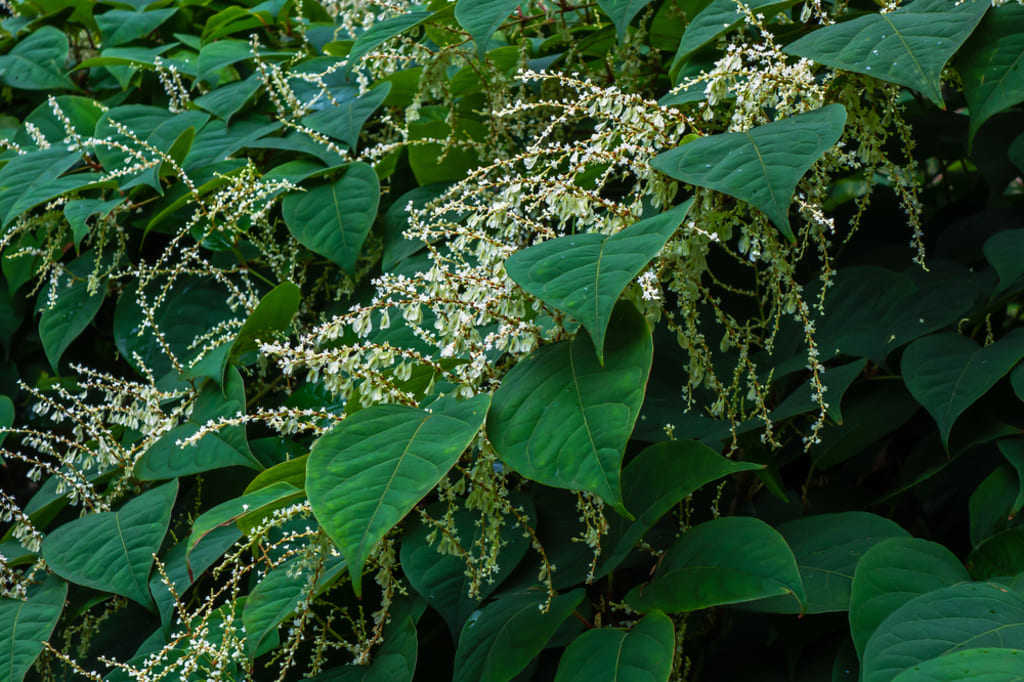
Another clear japanese knotweed identification sign is the plant’s unique appearance. Knotweed typically features:
- Heart or shield-shaped green leaves
- Hollow bamboo-like stems
- Purple speckles along the stem
- Zigzag growth patterns between leaves
When these plants appear in clusters or spread rapidly, they may signal the early stages of japanese knotweed damage in the surrounding landscape.
Cracks in Hard Surfaces
Japanese knotweed spreads through underground rhizomes that can extend several metres from the visible plant. While the plant rarely causes direct structural damage, it often grows through existing cracks in surfaces such as:
- Patios
- Garden walls
- Driveways
- Paving stones
These growth patterns are common signs of japanese knotweed damage, particularly when plants begin emerging through weak points in hard surfaces.
Dense Vegetation Near Boundaries
Another warning sign is dense plant growth along fences or property boundaries. Knotweed spreads underground and can emerge several metres from its original location.
Clusters of tall vegetation along boundaries may indicate the presence of rhizomes beneath the soil. In these situations, recognising japanese knotweed identification signs early can help prevent disputes with neighbouring properties.
Late Summer Flower Clusters
During late summer, japanese knotweed produces small creamy-white flowers arranged in clusters. While the flowers may appear harmless, they are often a sign that the plant has already established itself within the soil.
These blooms are often one of the final signs of japanese knotweed damage homeowners notice before the plant spreads further.
Dead Canes in Winter
Even during winter, knotweed can still be identified. After the growing season, the plant dies back and leaves behind brittle brown stems that resemble dried bamboo.
These stems remain visible for months and are one of the most overlooked japanese knotweed identification signs when properties are inspected during colder seasons.
Garden and Landscape Indicators
Many homeowners first notice knotweed through changes in their garden landscape. Because the plant spreads aggressively, it can quickly dominate outdoor spaces.
Common landscape indicators include:
- Thick clusters of fast-growing plants
- Plants appearing suddenly in new areas
- Growth emerging through paving or cracks
- Rapid expansion across garden beds
These warning signs often indicate potential japanese knotweed damage developing beneath the soil. Early identification is essential to prevent further spread.
When to Call a Professional Knotweed Survey
Although recognising japanese knotweed identification signs is useful, confirming the plant requires professional expertise. Several plants resemble knotweed, which can lead to misidentification.
A professional survey provides:
- Accurate identification of the plant species
- Assessment of underground rhizome spread
- Evaluation of potential property risks
- Recommendations for treatment or management
Property buyers and homeowners should consider arranging a survey if they notice any signs of japanese knotweed damage near buildings, gardens, or property boundaries.
CYB Environmental offers specialist inspections and reports to help property owners manage invasive species safely.
Preventing Further Damage
Once knotweed is confirmed, early management is essential. Treatment programmes can help control the plant’s spread and protect surrounding structures.
Common management approaches include:
- Herbicide treatment programmes
- Long-term monitoring plans
- Excavation in severe cases
- Professional site surveys and risk assessments
Early action significantly reduces the risk of extensive japanese knotweed damage and helps maintain property value.
Wrapping Up
Understanding the signs of japanese knotweed damage is crucial for homeowners and property buyers. From rapid spring growth to cracks in garden surfaces and dense vegetation along property boundaries, recognising japanese knotweed identification signs early can prevent costly complications.
If you suspect knotweed on your property, a professional survey is the most reliable way to confirm its presence and assess potential risks. CYB Environmental provides expert inspections and management plans to help property owners address invasive plants effectively.
Frequently Asked Questions
1. What are the early signs of japanese knotweed damage?
Early signs include rapid spring shoots, bamboo-like stems, and heart-shaped leaves. Homeowners may also notice plants emerging through cracks in patios or driveways. These japanese knotweed identification signs often appear before the plant spreads extensively across gardens or property boundaries.
2. Can japanese knotweed damage buildings?
Japanese knotweed rarely breaks through solid structures but can exploit existing cracks in surfaces such as patios, walls, and driveways. Over time, its growth can worsen structural weaknesses, making early detection and professional management important for protecting property.
3. How can I identify japanese knotweed in my garden?
Japanese knotweed typically has green shield-shaped leaves, hollow stems with purple speckles, and clusters of small white flowers during late summer. The plant grows rapidly in spring and can form dense stands that dominate garden spaces.
4. Are there plants that look similar to japanese knotweed?
Yes, several plants resemble japanese knotweed, including Russian vine and Himalayan honeysuckle. Because these species share similar leaf shapes and growth patterns, professional surveys are recommended to confirm accurate identification before any treatment begins.
5. Does japanese knotweed spread underground?
Yes, japanese knotweed spreads through underground rhizomes that can extend several metres beyond the visible plant. These roots allow the plant to appear in new areas of a garden or neighbouring property, making early identification and treatment essential.
6. When should I arrange a knotweed survey?
A professional survey should be arranged if you notice suspicious plant growth near property structures or boundaries. Surveys provide accurate identification, evaluate the extent of spread, and recommend suitable management plans to prevent further issues.
7. Why is early knotweed identification important?
Early identification helps prevent extensive growth and reduces the risk of property complications. Detecting the plant early allows professionals to implement effective treatment programmes, protecting property value and preventing disputes with neighbouring landowners.