

Buying a property is one of the biggest financial decisions most people make. However, many home buyers overlook a serious issue that can impact property value, mortgage approval, and long-term maintenance costs. This highly invasive plant spreads aggressively and can cause structural and legal complications if left unmanaged.
That’s why japanese knotweed identification is a crucial step during the property buying process. Recognising the early signs of this invasive species can help buyers avoid costly surprises and make informed decisions before completing a purchase.
Professional identification services, like those offered by CYB Environmental, help property buyers confirm whether the plant is present and determine the next steps for safe and compliant management.
Why Japanese Knotweed Identification Is Important for Property Buyers
For home buyers, identifying invasive plants early is essential to protecting their investment. A reliable japanese knotweed identification checklist allows buyers to recognise potential warning signs before the purchase is finalised.
1. Protecting Property Value
Japanese knotweed is well known for reducing property value. The plant spreads through underground rhizomes that can extend several metres from the visible plant. If the plant is present on or near a property, lenders and buyers may see it as a financial risk.
By performing japanese knotweed identification early, buyers can determine whether specialist treatment is needed before purchasing the property. Early detection can prevent expensive remediation work later.
2. Avoiding Mortgage Complications
Mortgage lenders often require confirmation that a property is free from invasive species. In many cases, lenders will request a professional report if Japanese knotweed is suspected.
Accurate japanese knotweed identification helps ensure the property meets lending requirements. If knotweed is present, a management plan from professionals like CYB Environmental can provide reassurance to lenders and support the mortgage process.
3. Understanding Legal Responsibilities
In the UK, property owners have a legal responsibility to prevent japanese knotweed from spreading to neighbouring land. If it spreads beyond property boundaries, the owner could face legal disputes or financial penalties.
Completing proper japanese knotweed identification before buying a home helps buyers understand whether this risk exists and what steps may be needed to manage it responsibly.
4. Preventing Structural Damage
Although knotweed does not usually break through solid concrete, it can exploit existing cracks and weaknesses in structures such as:
- Driveways
- Patios
- Garden walls
- Drainage systems
If the plant spreads unchecked, it can create maintenance issues that require costly repairs. Reliable japanese knotweed identification helps detect the plant before it becomes a significant problem.
5. Recognising the Plant’s Distinctive Features
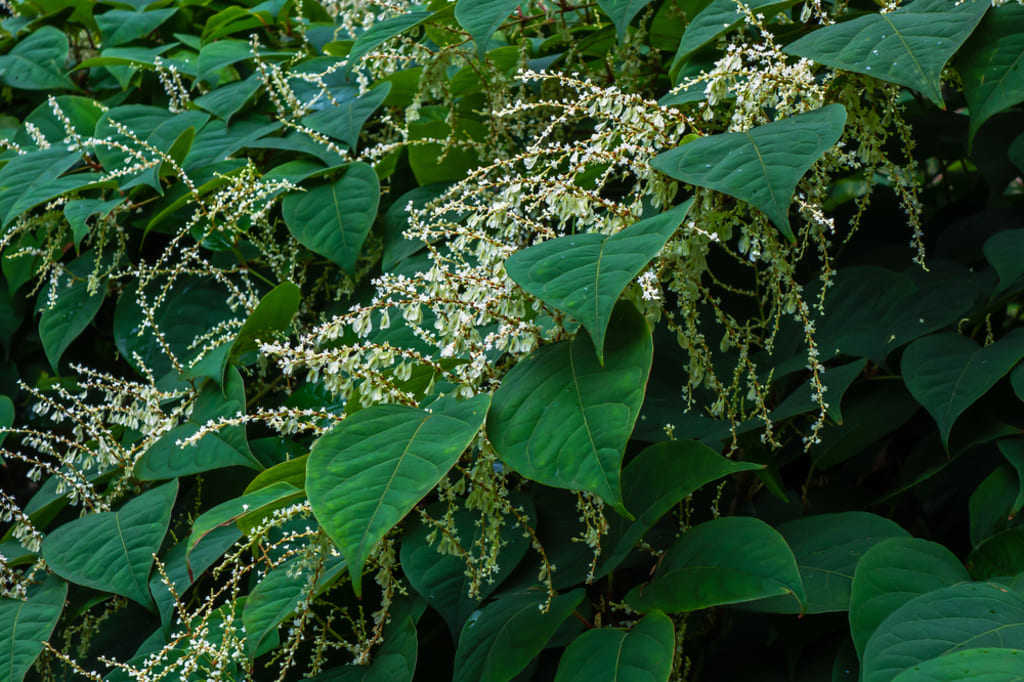
A good identification checklist can help home buyers recognise common characteristics of the plant, including:
- Heart- or shield-shaped green leaves
- Hollow bamboo-like stems with purple speckles
- Rapid growth during spring and summer
- Cream-white flower clusters in late summer
While these signs may indicate the presence of knotweed, professional surveys remain the most reliable way to confirm Japanese knotweed identification and determine the level of risk.
6. Avoiding Mistaken Identity
Several plants resemble Japanese knotweed, which can lead to confusion. Some common lookalikes include Russian vine and Himalayan honeysuckle.
Because these plants share visual similarities, incorrect identification is common. A specialist survey ensures accurate japanese knotweed identification and prevents unnecessary concern or incorrect treatment.
7. Professional Surveys Provide Certainty
Home buyers should consider arranging a professional survey if they suspect the presence of knotweed. Experts evaluate the plant’s growth stage, spread, and potential impact on the property.
A professional survey also provides documented japanese knotweed identification, which can be used when negotiating property prices or satisfying lender requirements.
Wrapping Up
For property buyers, invasive plants are more than just a gardening issue; they can affect property value, mortgage approvals, and long-term maintenance costs. Completing a thorough Japanese knotweed identification check before purchasing a home can help buyers detect potential risks early and make informed decisions.
By recognising the plant’s distinctive features and arranging a professional inspection when needed, buyers can avoid unexpected complications and protect their investment. If you suspect the presence of this invasive species, CYB Environmental offers expert surveys and guidance to ensure accurate Japanese knotweed identification and effective management solutions.
Frequently Asked Questions
1. What is japanese knotweed identification?
Japanese knotweed identification is the process of recognising the distinctive features of this invasive plant species. It involves examining leaves, stems, growth patterns, and seasonal changes. Correct identification helps property owners determine whether professional treatment or management plans are required to prevent spread and property-related issues.
2. Why should home buyers check for Japanese knotweed?
Home buyers should check for japanese knotweed because the plant can affect property value, mortgage approval, and future maintenance costs. Early identification allows buyers to assess risks before purchasing a property and request professional surveys or treatment plans if the plant is present.
3. What does Japanese knotweed look like?
Japanese knotweed typically has heart-shaped green leaves, hollow bamboo-like stems with purple speckles, and clusters of small white flowers during late summer. The plant grows rapidly in spring and summer, often forming dense stands that can reach several metres in height.
4. Can japanese knotweed affect mortgage approval?
Yes, many lenders consider japanese knotweed a potential risk. Mortgage providers may request a professional survey or management plan before approving a loan. Accurate identification ensures lenders receive clear documentation confirming the plant’s presence and any treatment plans in place.
5. Can Japanese knotweed damage property structures?
Japanese knotweed does not usually break through solid foundations, but it can exploit existing cracks in patios, driveways, and walls. Over time, this growth may lead to structural maintenance issues if the plant is not properly managed or removed.
6. Are there plants that look similar to Japanese knotweed?
Yes, several plants resemble Japanese knotweed, including Russian vine and Himalayan honeysuckle. Because these species share similar leaves and growth patterns, professional identification is recommended to confirm whether the plant is actually Japanese knotweed.
7. When should a professional knotweed survey be carried out?
A professional survey should be carried out if suspicious plants are found on or near a property, especially during the buying process. Surveys provide accurate identification, assess the spread of the plant, and recommend treatment plans if Japanese knotweed is confirmed.