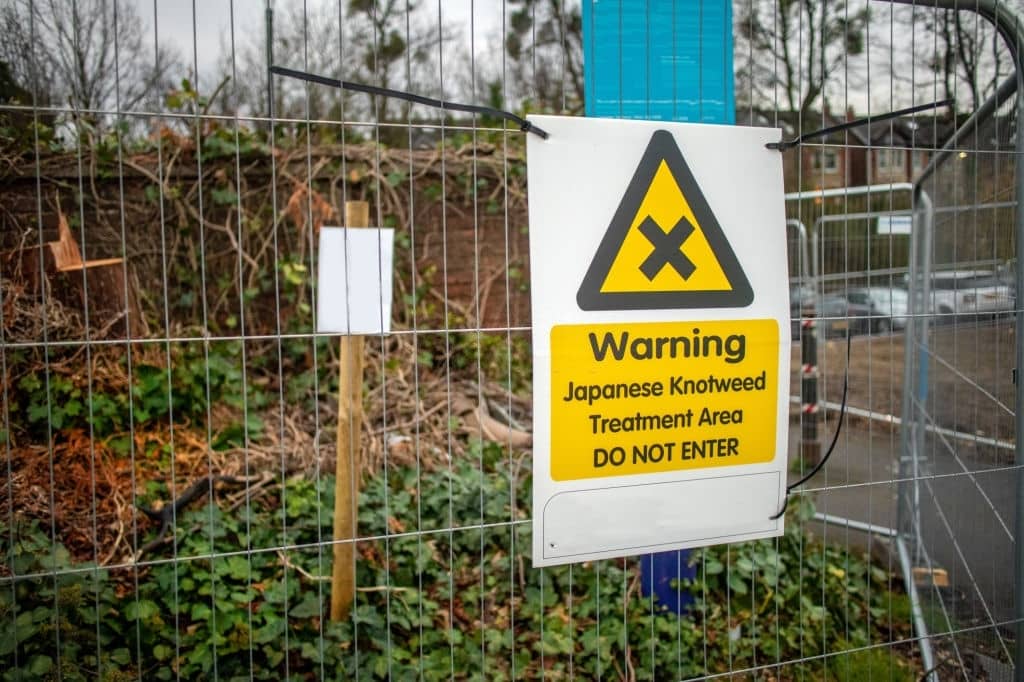

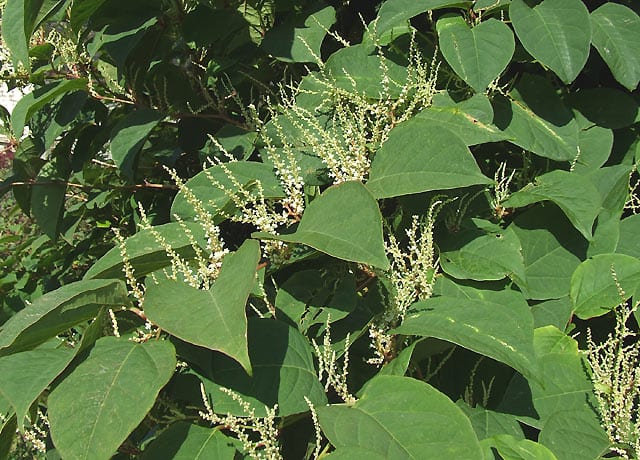
Imagine spotting a patch of green shoots in your garden and thinking, “It’s just another weed.” A year later, those shoots have pushed through paving, cracked concrete, and crept dangerously close to your home’s foundations. That’s the reality of leaving Japanese Knotweed untreated, a mistake many property owners regret when the repair bills start piling up.
At CYB Environmental, we’ve seen how quickly Knotweed can escalate from a nuisance plant to a financial and legal nightmare. Let’s break down the true costs of ignoring this invasive species.
Property Damage That Drains Your Budget
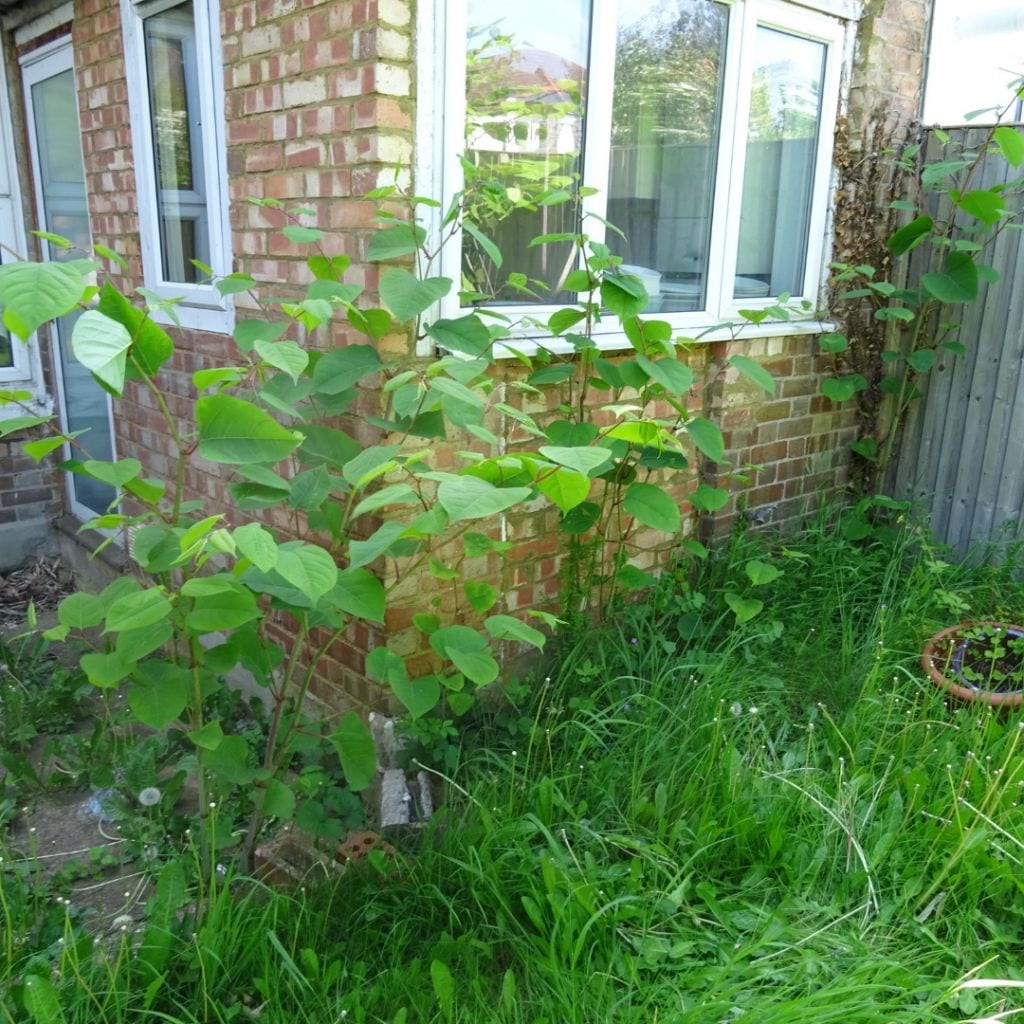
One of the most serious dangers of leaving Japanese Knotweed untreated is the extensive structural damage it can cause. This plant isn’t like an ordinary garden weed. Its root system, known as rhizomes, can spread several metres underground and outwards in all directions. Once established, it takes advantage of even the smallest weakness in hard surfaces such as concrete, brickwork or tarmac.
If ignored, Knotweed can:
- Break through driveways, patios and garden walls, leaving unsightly cracks and uneven surfaces that require costly replacement.
- Damage underground drainage systems and pipes, leading to leaks, blockages and water ingress problems that can spread into the home.
- Undermine the stability of foundations, creating long-term risks to the structural safety of your property.
The financial impact of these problems is significant. Repairing drainage systems alone can run into thousands of pounds, while underpinning damaged foundations or rebuilding affected structures can easily escalate into tens of thousands.
It’s not just about the visible damage, either. Knotweed’s underground rhizomes often remain hidden until the problem is severe, meaning that by the time cracks or buckled surfaces appear, the plant has already spread extensively. This is why proactive removal and treatment are always more cost-effective than waiting until major repairs are required.
In many cases, the cost of professional Japanese Knotweed removal is only a fraction of what you would spend on repairing structural damage caused by leaving the infestation untreated.
Mortgage Problems and Falling Property Value
When it comes to Japanese Knotweed, one of the most damaging consequences isn’t always what you see in your garden, it’s what happens when you try to sell or remortgage your home. UK lenders are extremely cautious about properties affected by Knotweed. If a surveyor identifies its presence, most banks and building societies will not release funds unless a recognised Japanese Knotweed management plan is in place.
Without this, the sales process can grind to a halt. This often leads to:
- Buyers are walking away from deals, unwilling to take on the financial and legal risks.
- A reduction in property value of up to 10% or more, as buyers negotiate heavily on price to cover the cost of treatment.
- Last-minute treatment costs, which can be far higher when rushed to meet tight deadlines before contracts exchanged.
For many homeowners, this comes as a shock. A property they believed to be worth a certain amount suddenly becomes harder to sell and significantly less attractive to potential buyers. Even if a buyer is interested, the lack of a professional management plan can prevent them from securing a mortgage, leaving the property stuck on the market.
This is where CYB Environmental offers a real advantage. With in-house Chartered Surveyors, Valuation Surveyors and PCA-qualified specialists, we not only provide effective Knotweed treatment but also the documentation and insurance-backed guarantees that lenders require. Because we regularly work with the UK’s major lenders, we understand exactly what is needed to satisfy their conditions and keep the sales process moving smoothly.
In many cases, having a professional Japanese Knotweed treatment plan in place can mean the difference between a property sale collapsing and completing at full market value. By addressing the problem early, homeowners can protect their investment and avoid unnecessary stress, delays and financial loss.
Legal and Liability Risks
Leaving Japanese Knotweed untreated doesn’t just put your own property at risk — it can also create serious legal problems if the plant spreads beyond your boundaries. The law in the UK is very clear on this. Under the Anti-social Behaviour, Crime and Policing Act 2014, local authorities and the police have the power to take enforcement action if Knotweed from your land begins to invade neighbouring gardens, public pathways or natural habitats.
This isn’t just a theoretical risk. Homeowners across the country have faced encroachment disputes where neighbours pursue claims for damages after Knotweed has crossed into their property. These claims often cover:
- The cost of professional treatment on the affected neighbour’s land
- Compensation for the reduction in their property value
- Legal fees can escalate quickly if disputes end up in court
Some homeowners have even faced injunctions requiring them to take immediate and costly action. Failure to comply can result in fines or further legal action, turning what began as a small patch of Knotweed into a major financial liability.
Another factor to consider is reputation. If you are a landlord or property developer, failing to control Knotweed on your sites could damage your standing with tenants, buyers and investors. In extreme cases, it could even affect planning permission or future developments.
The Myth of DIY Control
Some homeowners try to tackle Knotweed themselves with shop-bought weed killers or by digging it out. Both usually fail.
- Garden centre herbicides don’t reach Knotweed’s deep roots
- Digging it up spreads fragments that regrow into new plants
- Incorrect disposal can lead to fines, as Knotweed is controlled waste under UK law.
Professional treatment is always the most effective and safest option.
The Smarter Investment: Professional Removal
While untreated Japanese Knotweed quickly spirals into a costly and stressful problem, choosing professional removal is a far smarter investment. It provides not only an effective solution but also the reassurance that the issue has been handled properly from the start.
We tailor our treatment methods to each property. For some homeowners, this may mean carefully applied herbicidal treatments that systematically target the plant’s deep root system. For more severe infestations, excavation and on-site encapsulation ensure the rhizomes are completely contained and cannot regrow. Every approach is designed with both effectiveness and minimal disruption in mind.
We also stand firmly behind our work. Every treatment programme comes with a comprehensive 5-Year Insurance-Backed Guarantee, giving you the peace of mind that if regrowth occurs, we will return to resolve it. For homeowners dealing with mortgage lenders or planning long-term property ownership, we also offer the option of extending this guarantee to 10 years, ensuring long-lasting protection.
Affordability is another area where we make a real difference. Through our Price Match Policy, we commit to beating any like-for-like written quotation by 5%. This means you can benefit from industry-leading expertise without paying a premium.
Just as importantly, our credentials speak for themselves. CYB Environmental is regulated by the Royal Institution of Chartered Surveyors (RICS), a distinction that sets us apart from most competitors. We are also proud members of the Property Care Association and hold internationally recognised ISO 9001 and ISO 14001 certifications for quality and environmental management. Together, these accreditations demonstrate the professionalism and reliability you can expect when working with us.
Hidden Costs vs Preventive Action
When it comes to Japanese Knotweed, the financial difference between ignoring it and treating it early is striking. Leaving an infestation to spread unchecked almost always leads to mounting problems: cracked walls, broken drains, legal disputes with neighbours, and even collapsed property sales. Each of these issues carries its own price tag, and together they can spiral into tens of thousands of pounds.
By contrast, taking action early is far more cost-effective. A professional treatment plan comes with a fixed cost, a written guarantee, and the documentation lenders require to approve mortgages. Instead of endless repairs and uncertainty, you gain certainty, compliance and peace of mind.
In simple terms, you can either face years of escalating damage and financial risk or resolve the problem quickly with a guaranteed solution. For most homeowners, the decision is obvious.
Final Thoughts
Japanese Knotweed is widely recognised as one of the most destructive invasive plants in the UK. Left untreated, it can undermine foundations, damage drains and reduce property values, while also creating legal and mortgage complications. The financial and emotional toll of ignoring it almost always exceeds the investment required for a professional treatment plan.
If you’ve noticed Knotweed on your land,or even suspect it might be present,the smartest step is to act quickly. At CYB Environmental, our accredited specialists offer free site surveys and tailored quotations, providing effective, insurance-backed solutions that stop the problem at its root. With our expertise and guarantees, you can protect your property and regain peace of mind.
FAQs
What damage can Japanese Knotweed cause to my property?
Japanese Knotweed can break through concrete, brickwork, drains and even threaten building foundations. Left untreated, repairs can run into tens of thousands of pounds. Early professional treatment prevents costly structural damage.
Can I sell my house if it has Japanese Knotweed?
Yes, but most lenders will not approve a mortgage unless a professional Knotweed management plan with a guarantee is in place. Without this, sales often fall through or property values drop significantly.
Is it illegal to have Japanese Knotweed on my land?
It isn’t illegal to have Knotweed on your property, but it is illegal to allow it to spread to neighbouring land. If it does, you could face legal action, fines or compensation claims from affected neighbours.
Can I remove Japanese Knotweed myself?
DIY methods almost never work. Knotweed’s rhizomes regenerate from tiny fragments, and shop-bought weed killers are too weak. Professional treatment is the only effective and legally compliant way to control it.
How much does Japanese Knotweed removal cost?
Costs vary depending on the size and location of the infestation. Professional treatment is always more affordable than repairing property damage or losing a property sale. CYB Environmental also offers a Price Match Policy for peace of mind.
 Selling a Property with Japanese Knotweed